
REVIEW · POMPEII TOURS
From Amalfi Coast: Pompeii Herculaneum skip-the-line
The big appeal here is simple: you see Pompeii and Herculaneum in one day, with an archaeological guide to help make sense of streets, baths, homes, and public buildings rather than leaving you to wander among ruins without context. The route also gives you fine views along the Amalfi Drive before turning inland toward Mount Vesuvius.
I like the small-group format and the included entrance tickets, especially when queues are long. I also like the contrast between Pompeii, a busy commercial town, and Herculaneum, a smaller coastal residential center. The main drawback is the pace: two large excavation sites in one day mean plenty of walking, heat, and a lot of information to absorb.
Key points to know before booking
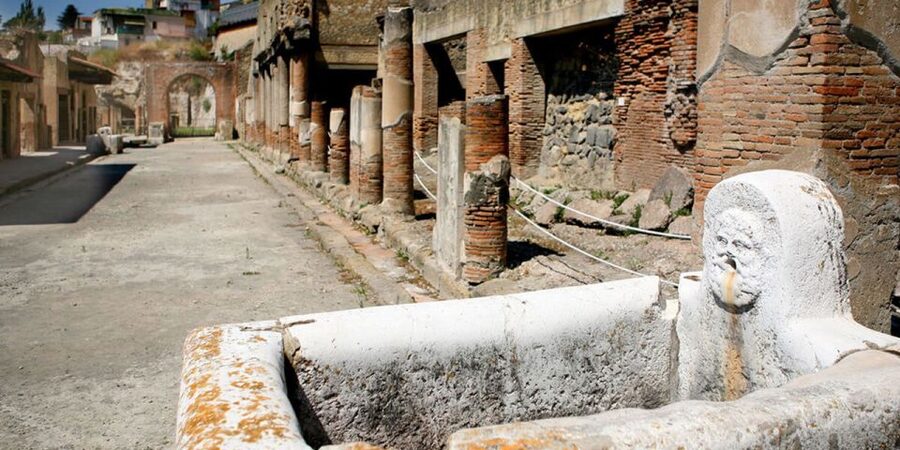
- Two major Roman sites in one day: Spend about two hours with a guide at Pompeii and about two hours at Herculaneum.
- The contrast matters: Pompeii shows a working town, while Herculaneum offers a closer look at residential life.
- Skip-the-line admission is included: You do not need to buy separate entrance tickets for either ruin.
- The day begins on the Amalfi Coast: Positano and Praiano departures include a shuttle to Amalfi, where you board the main coach.
- Lunch is not included: You receive free time for lunch between the two sites, so budget for your own meal.
- Expect a physically demanding day: Comfortable shoes are essential, and the tour is not suitable for people with limited mobility or certain medical conditions.
Why combine Pompeii and Herculaneum?
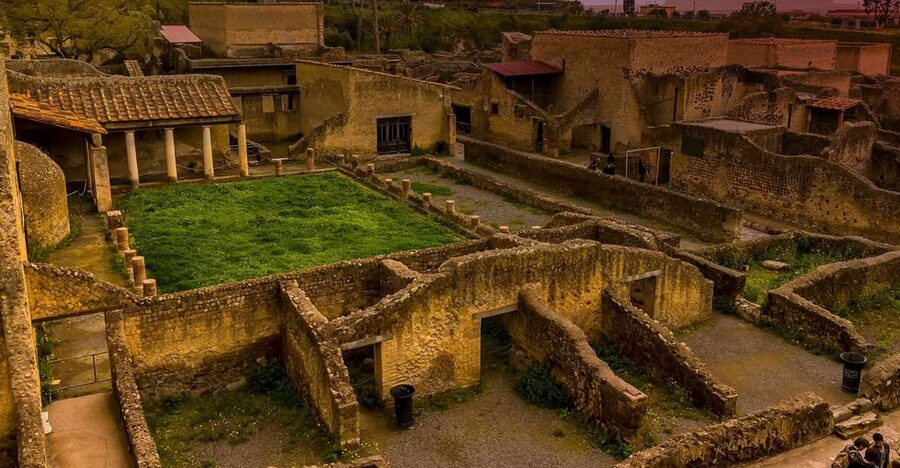
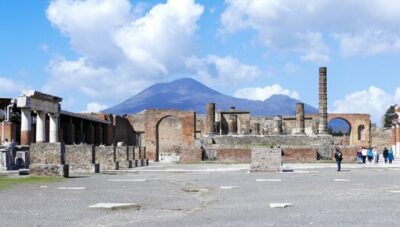
Pompeii and Herculaneum were both buried by the eruption of Mount Vesuvius in A.D. 79, but they tell different stories. Pompeii was a commercial center with streets, public buildings, baths, and spaces tied to daily business. Herculaneum was a smaller coastal town with a more residential feel.
That contrast gives this outing a clear purpose. You are not seeing the same type of ruins twice. At Pompeii, I would pay attention to the scale of the town and the evidence of public life. At Herculaneum, I would focus on homes and the smaller details that show how people lived.
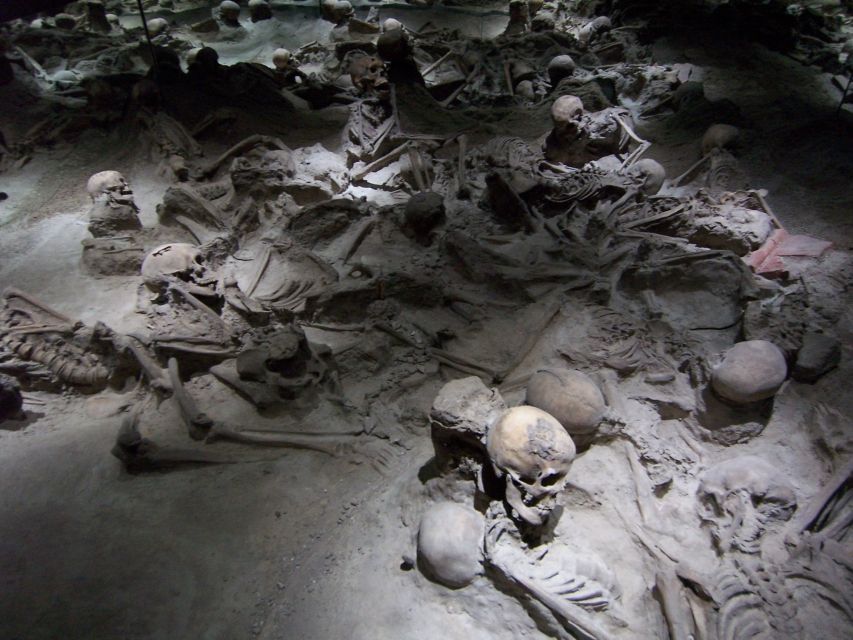
The disaster itself gives the sites their unusual power. Pompeii was covered by several meters of lapilli and ash, leaving a city suddenly interrupted during the night of August 24 to 25. Herculaneum was also buried, but the different conditions of preservation give you another view of the same ancient world.
A guide makes a real difference here. Ancient walls can look repetitive when you do not know what you are seeing. An archaeological guide can explain the purpose of a bath, gymnasium, street, or house and place each feature in the setting of Roman life.
More Herculaneum tours from Amalfi Coast:
- Pompeii, Herculaneum, Naples from Naples, Sorrento, Amalfi Coast
★ 5.0 · 16 reviews - Guided Day Tour of Pompeii and Herculaneum with Light Lunch
★ 4.5 · 311 reviews - Sorrento: Pompeii & Herculaneum Tour with Skip-the-Line
★ 4.6 · 125 reviews
Starting from the Amalfi Coast
The exact meeting point depends on the option you book. If you start in Positano or Praiano, a return shuttle minibus takes you to Amalfi to join the small coach. This arrangement is useful because the main vehicle does not need to negotiate every narrow coastal road.
The drive begins along the Amalfi Drive, passing the coastal towns before heading toward Pompeii. I would treat this first section as part of the experience, not just a transfer. You get changing views of the coast, then a shift inland toward the archaeological sites.
The tour lasts about eight to nine hours, but the timing can vary. Traffic on the Amalfi Coast is a real factor, so do not schedule an important evening commitment too close to your expected return. The local partner contacts you by email after booking to confirm the pickup time and location, so check your inbox before the day begins.
The transportation is air-conditioned, a useful feature after several hours walking over exposed archaeological ground. Still, air conditioning does not remove the need for water, sun protection, and sensible clothing.
Pompeii: a large town interrupted overnight
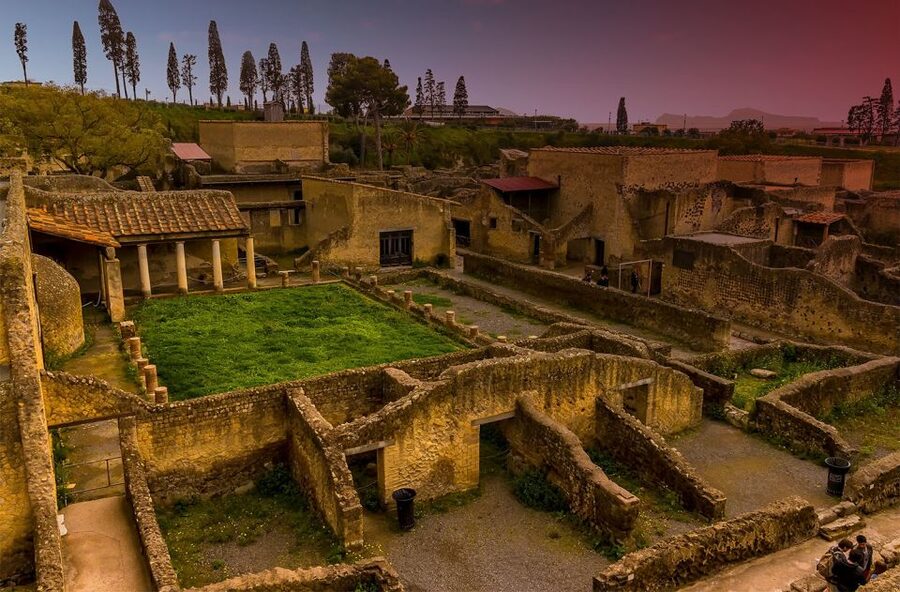
At Pompeii, you spend about two hours on a guided visit through the excavations. That is enough time for a strong introduction, but not enough to see every corner of this huge site. You will need to accept that this is a selected tour, not an exhaustive exploration.
Pompeii works best when you picture it as a functioning town rather than a field of broken stone. The public baths and gymnasium help explain how people spent time outside their homes. Streets and public areas show the shape of civic life, while commercial spaces point to the town’s role as a center of trade.
The archaeological setting also makes ordinary details feel important. A wall, courtyard, or public building can tell you more when the guide explains how it fit into the town. Without that help, you may notice the scale but miss the human purpose behind it.
The two-hour visit is also the most physically demanding part for many people. You walk across uneven surfaces and spend much of the time outdoors. One useful warning comes from the tour’s timing: after the Pompeii visit, you walk to the lunch stop rather than taking a bus from the ruins. After three hours in the sun and on foot, that extra walk can feel tiring, so wear supportive shoes and carry water.
You receive free time for lunch before continuing to Herculaneum. Food and drinks are not included, and the exact lunch arrangement is not specified, so you should plan to pay for your own meal. Keep lunch reasonably efficient. A long stop reduces the time available for the second archaeological visit.
Herculaneum: smaller, residential, and easier to read
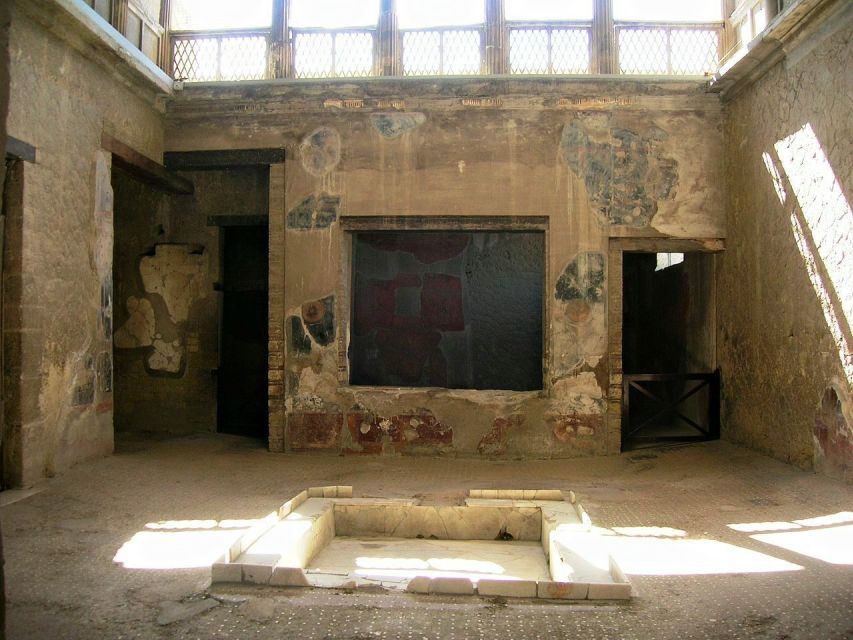
After lunch, the coach continues to Ercolano for about two hours at Herculaneum. The site offers a useful counterpoint to Pompeii. Instead of a large commercial center, you see a smaller coastal town with a more residential character.
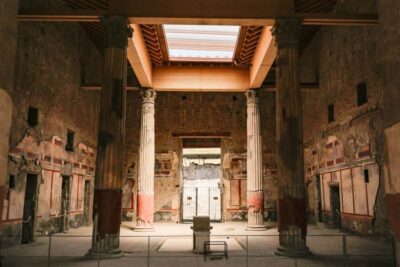
I find this part of the itinerary valuable because the change in scale helps clarify Roman society. Pompeii shows the machinery of a town. Herculaneum lets you think more about domestic space and the people who lived there.
The guide leads the visit, but you should stay close to the group. One practical issue is that the guide may be difficult to hear at Herculaneum without communication devices. If the group spreads out, you could miss explanations, so keep within listening range and speak up if the guide’s voice is lost in the open site.
The two-hour visit gives you a focused look, not unlimited time. That is both a strength and a weakness. You finish with a clear sense of the difference between the sites, but you may wish for extra time if a particular building catches your attention.
Do not expect Herculaneum to feel like a quick add-on. It is another substantial excavation, and your legs will already have done much of the day’s work. The best approach is to pace yourself at Pompeii rather than treating the first site as a race.
More Pompeii tours from Amalfi Coast:
- From Rome: Pompeii, Positano and Amalfi Full-Day Tour
★ 4.7 · 430 reviews - Pompeii and Amalfi Coast Private Day Trip with Pick Up
★ 5.0 · 312 reviews - From Pompeii/Vico Equense: Amalfi, Positano, & Ravello Tour
★ 4.4 · 133 reviews - Pompeii Guided Tour from Amalfi Coast
★ 5.0 · 72 reviews
The public baths, gymnasium, and daily Roman life
The tour specifically includes important public spaces such as the baths and gymnasium. These are more than impressive ruins. They give you a way to picture how Romans used shared facilities for washing, exercise, social contact, and leisure.
I would listen closely when the guide explains these spaces, since their purpose can be hard to read from the remains alone. The buildings show that Roman life was organized around public places as well as private homes.
Pompeii’s commercial character also helps you see how work shaped the town. Herculaneum then shifts your attention toward houses and the quieter side of coastal life. Together, the sites offer a broader picture than either one alone.
A useful extra tip is to ask about the museum during the day. One of the tour’s strongest practical reminders is not to forget it. If museum access is part of your visit or available at the site, it can add objects and details that are harder to understand from the ruins alone. The supplied information does not specify the exact museum arrangement, so confirm what your guide includes.
Transport, group size, and the return journey
The main vehicle is an air-conditioned coach, and the tour is described as a small-group outing. That combination makes the long transfer more comfortable than arranging separate public transport between the coast and both archaeological sites.
The small group should also help with meeting the guide and staying together inside the excavations. Still, the tour may feel busy at key points because Pompeii and Herculaneum are popular sites. The included skip-the-line tickets save you from waiting at the entrance, but they do not mean you have the ruins to yourself.
On the way back to the Amalfi Coast, the group stops at a well-known cameo atelier. This is a shopping-oriented stop rather than one of the main archaeological highlights. It may interest you if you want to see a traditional craft setting, but it also adds time to a long day. If you prefer every minute to go toward ruins, keep that in mind.
Return transport has one detail that matters for Positano and Praiano visitors. Due to traffic regulations, there is no minibus service after the tour, and the drop-off is in Amalfi. You will need to arrange your onward connection from there rather than expecting the morning shuttle arrangement to work in reverse.
Is the $169.93 price good value?
At $169.93 per person, this is not a budget outing. The price covers air-conditioned transportation, an English-speaking archaeological guide, and skip-the-line admission to both Pompeii and Herculaneum.
That can be good value if you are staying on the Amalfi Coast and want to avoid piecing together several train, bus, and entrance arrangements. The distance, traffic, and two-site schedule make logistics more demanding than the simple ticket price suggests. You also gain a guide who can connect the ruins to Roman daily life.
The value is weaker if you already have easy transport, prefer long independent visits, or want to move at your own pace. Two hours at each site is a useful introduction, but not enough for a detailed, unhurried study.
There may be ways to reduce the admission cost. State archaeological sites offer free entrance on the first Sunday of the month, and the tour information also notes free admission on the first Monday of each month. Because the exact application of these special days can depend on the date and booking arrangement, confirm the final price and ticket handling before relying on a free-entry day. If the entrance is free, ask how that changes the tour price.
Who will enjoy this day most?
I would recommend this tour to you if you are based on the Amalfi Coast, want both major sites, and prefer a guide to explain what you are seeing. It also suits people who would rather pay for organized transport than manage a long day of connections.
The tour is a good match for visitors with a strong interest in archaeology but only one available day. The guide-led format keeps the visits focused, and the contrast between the sites gives the day a clear rhythm.
I would hesitate if you have limited mobility, a pre-existing medical condition that makes a long walking day difficult, or motion sickness. The trip includes a lengthy coach ride, several hours walking through excavation sites, uneven ground, and a demanding schedule.
You should also think carefully about heat and stamina. Bring comfortable shoes, water, and a passport or identity card. A copy of your passport or ID is accepted. The tour is conducted in English, with an optional English audio guide noted among the available features.
A practical way to plan the day
Before leaving, confirm your meeting point and pickup time by email. The starting location can vary by the option you choose, and the local partner sends a reconfirmation after booking.
Wear shoes with good support. Sandals or thin soles are a poor choice for several hours over archaeological surfaces. Keep your belongings light, since you will be walking and moving between coach, lunch, and both sites.
Plan for lunch as a short break, not a long restaurant experience. Food and drinks are your responsibility, and the schedule needs to continue to Herculaneum. If you have motion sickness, consider that the trip includes coastal and coach travel, and the tour is specifically not suitable for people with motion sickness.
The cancellation policy is generous: you can cancel up to 24 hours before departure for a full refund. You can also reserve now and pay later, which helps if your Amalfi Coast schedule depends on weather or transport conditions.
Should you book this Pompeii and Herculaneum tour?
Book it if you want the simplest way to visit both sites from the Amalfi Coast in one day. The archaeological guide, included entrance tickets, air-conditioned coach, and small-group setting remove much of the planning burden.
Skip it if you want a slow, independent visit, dislike long walking days, or need a guaranteed return directly to Positano or Praiano. The Amalfi drop-off after the tour is an important detail.
For most able-bodied visitors with limited time, I see the value in the pairing. Pompeii gives you the scale of a working Roman town, while Herculaneum supplies a more residential counterpoint. Just pace yourself, stay close enough to hear the guide, and treat the day as a focused introduction rather than a complete study of either site.
FAQ
How long does the tour last?
The tour lasts about eight to nine hours. Starting times depend on availability.
What is included in the price?
The price includes air-conditioned transportation, an expert local archaeological guide, and skip-the-line tickets for the ruins of Pompeii and Herculaneum.
Is lunch included?
No. You receive free time for lunch between the Pompeii and Herculaneum visits, but food and drinks are not included.
Where does the tour start and end?
The meeting point varies according to the option booked. The activity ends back at the meeting point, although visitors from Positano and Praiano return to Amalfi after the tour because no minibus drop-off service is available then.
Is the tour suitable for people with limited mobility?
No. The tour involves a long day of walking around excavation sites and is not suitable for people with limited mobility. It is also not suitable for people with certain pre-existing medical conditions or motion sickness.
What should I bring?
Bring comfortable shoes and a passport or identity card. A copy of your passport or ID is accepted.
More skip-the-line entries near Amalfi Coast
- Amalfi Coast: Pompei & Vesuvius small group with Skip the line tickets
★ 4.5 · 71 reviews - Amalfi Coast: Pompeii Small Group with Skip the Line Tickets
★ 4.5 · 41 reviews - From Amalfi Coast: Pompeii Guided Tour with Skip the Line
★ 5.0 · 8 reviews - Sorrento: Skip-the-Line Pompeii Express Tour by Train
★ 4.8 · 2,038 reviews
New on the Amalfi Coast list
- Private tour of Amalfi Coast★ 5.0 · 71 reviews
- Amalfi Coast: Vespa Tour of Amalfi, Ravello, and Positano★ 5.0 · 23 reviews
- Private transfer from Salerno to the Amalfi Coast, or vice versa★ 5.0 · 30 reviews
- Walk around Faito Mountain, the Highest Point of the Amalfi Coast and Sorrento Peninsula★ 4.5 · 8 reviews
- VIP Private Amalfi Coast Yacht Experience★ 5.0 · 6 reviews
- Appreciate the Amalfi coast on a luxury yacht!★ 5.0 · 6 reviews
- Private Transfer from Sorrento or Amalfi coast to Naples or vice versa★ 5.0 · 6 reviews
- Full-Day Private Tour Amalfi Coast from Sorrento with Pick up★ 5.0 · 8 reviews
Pompeii Tours, compared.
Priority Access Pompeii & Mt. Vesuvius Full day from Sorrento
Read our review →
Pompeii Express Guided Tour by Train from Sorrento
Read our review →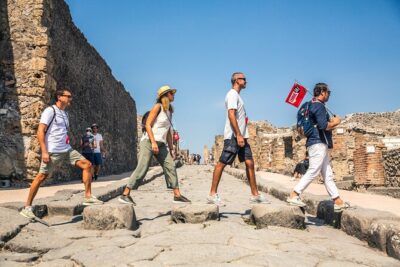
Skip-the-Line Pompeii Guided Tour from Sorrento
Read our review →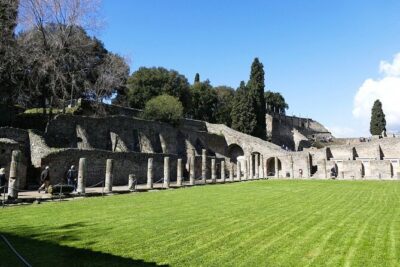
Pompeii Ruins Half-Day Tour from Sorrento with Guide
Read our review →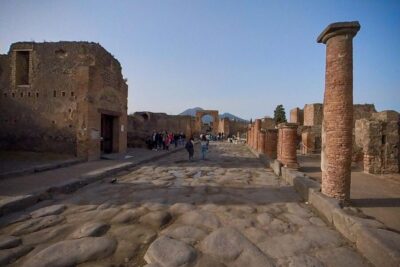
Browse the lists this tour appears in