
REVIEW · WINE TOURS IN SORRENTO
Pompeii, Herculaneum and Winery on Vesuvius with an Archaeologist
Pompeii and Herculaneum are far more rewarding when someone can explain what you are seeing. Fabrizio, an archaeologist who has guided at Pompeii for 27 years, brings the forum, painted houses, shops, baths, theaters, and streets into focus. The winery stop adds a welcome change of pace, with lunch, Lacryma Christi wine, and views toward Vesuvius and the Bay of Naples.
I like the private vehicle and flexible route, especially for families, older visitors, or anyone who wants to avoid repeating the same sights at both ruins. I also like the chance to visit Herculaneum when it is quieter, then pause for a generous local meal before tackling Pompeii. The main drawback is the price, and admission tickets and lunch are extra, so the final cost is higher than the headline figure.
Key points to know before booking
- Two major Roman sites in one day: See Pompeii and Herculaneum with the same archaeologist, rather than piecing together separate tours.
- A real break at Cantina del Vesuvio: The winery includes a vineyard walk, five wines, appetizers, pasta, and Pastiera cake.
- Fabrizio adapts the pace: He can change the order, avoid busy areas when possible, and shorten or refocus the route when the heat or uneven paving becomes tiring.
- Good for families: A family-friendly upgrade is available, and Fabrizio is used to keeping children involved with questions and stories.
- Costs to add: Admission is about €40 per adult for both archaeological parks, and the winery lunch and tasting cost about €50 per person.
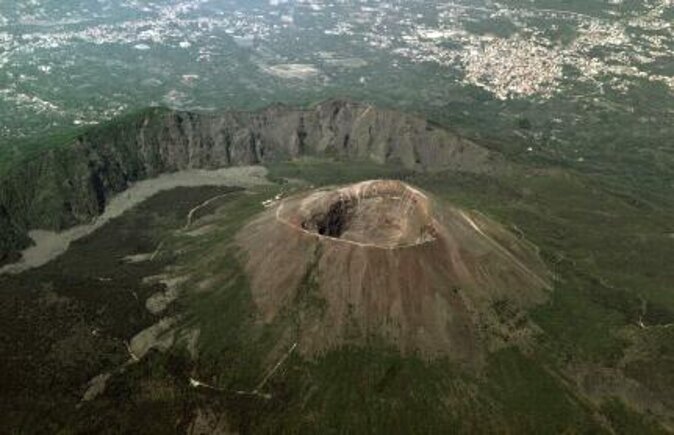
- Not a Vesuvius summit trip: You visit the winery inside Vesuvius National Park, but the vehicle does not go to the volcano’s top.
Why this private pairing works so well
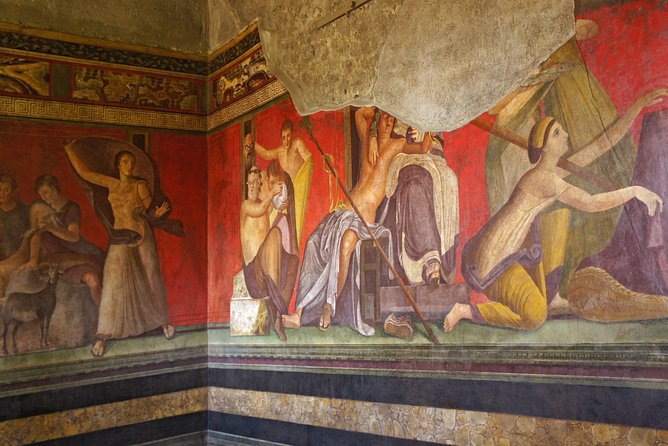
Pompeii and Herculaneum were both buried by the eruption of Mount Vesuvius in AD 79, yet they offer different experiences. Pompeii is huge, broad, and urban. Herculaneum is smaller, more intimate, and unusually strong in its preserved wood, furniture, shops, and house details.
You need a plan to make sense of both in one day. Without one, it is easy to spend too much time on streets that look similar, miss a newly reopened house, or run out of energy before the best rooms. Fabrizio’s role matters here. He can ask what interests you, choose a practical order, and avoid showing you the same type of feature twice.
The usual day lasts eight to nine hours. Pickup is available anywhere in the Naples or Sorrento area, with other arrangements needed if you are staying on the Amalfi Coast. A private air-conditioned vehicle, water, Wi-Fi, and transportation are included. For a group of up to seven, the $861.07 group price can make good sense, particularly when divided among several adults.
More Wine Tours in Sorrento
- Sorrento Farm and Food Experience including Olive Oil, Limoncello, Wine tasting
★ 5.0 · 2,524 reviews - Sorrento: Pizza Lesson, Wine, and Limoncello at a Local Farm
★ 5.0 · 1,513 reviews - Amalfi Coast Day Tour from Sorrento with Light Lunch and Wine
★ 4.5 · 1,148 reviews
Starting at Herculaneum before Pompeii
One of the smartest adjustments is starting at Herculaneum in the morning and leaving Pompeii for later. That order is not fixed, but it can help you see Herculaneum with fewer people around. It also gives you a compact site first, before the larger Pompeii visit.
Herculaneum is often easier to grasp physically. The ancient town sits well below the modern level, and many buildings retain walls, upper sections, painted decoration, wooden objects, and original shop fittings. You can spend less time walking between major sights and more time looking closely at what remains.
The visit begins around the archaeological park and its museum, the Antiquarium di Ercolano. The museum helps explain the town as a wealthy seaside retreat. Its displays include carbonized wooden furniture, textiles, statues, frescoes, and the Herculaneum Treasure. These fragile objects are the sort of things you would not expect to survive a volcanic disaster, and they make the later walk through the town much easier to understand.
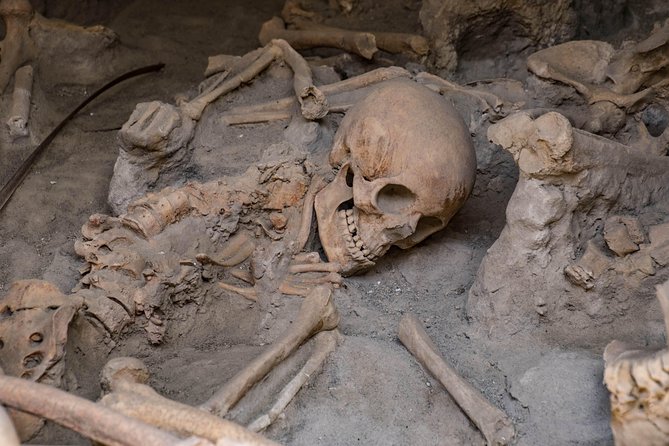
The nearby Boat Pavilion and Ancient Beach are especially sobering. The pavilion contains the carbonized keel of a nine-meter boat, along with smaller maritime objects such as fishing weights, nets, and rope. At the Ancient Beach, you can see the original volcanic sand and the arched boat sheds where the remains of more than 300 people were found.
The Ancient Beach reopened after restoration in 2024. It gives you a direct sense of the shoreline and the desperate attempts to escape by sea. This is not a light or purely decorative part of the visit, but it adds important human context to the grand houses.
Herculaneum’s houses, baths, and daily life
The House of the Stags shows how wealthy residents used Herculaneum as a seaside home. Its large garden and terrace were designed for open air, views, and sea breezes. The house takes its name from two marble stags attacked by hounds, statues that remain among the site’s best-known works.
The House of Neptune and Amphitrite is one of the prettiest stops. Its wall mosaic uses blue and gold glass pieces to depict the sea gods, while the summer dining area has shell and lava-stone decoration. Next door, an ancient shop preserves wooden shelves and carbonized storage bins. For me, this combination is more useful than looking at a grand house alone because it connects luxury with ordinary shopping and food storage.
The Women’s Baths are another fine example of Herculaneum’s preservation. You can see the changing room’s black-and-white Triton mosaic, wooden storage shelves, barrel-vaulted ceilings, and the sequence of warm and hot rooms. The labyrinth pattern in the tepidarium and the hollow-wall heating system in the caldarium show how carefully Roman bath buildings were designed.
The Palestra gives the visit a different scale. This large gymnasium included a cross-shaped swimming pool and a fountain shaped like a five-headed hydra. Fabrizio can help you read the complex as a civic space, not just a collection of columns and walls.
A small but delightful detail is the ancient wine advertisement known as Ad Cucumas. It is the kind of brief stop that is easy to miss on your own, yet it says something direct about how commerce was presented in Roman daily life.
Lunch and wine at Cantina del Vesuvio
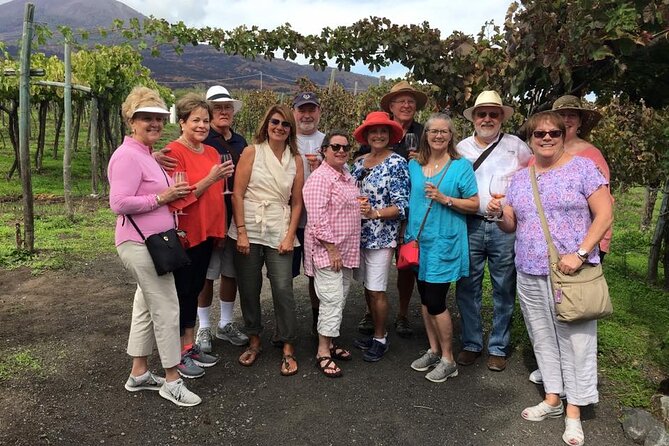
After Herculaneum, you head into Vesuvius National Park for lunch at Cantina del Vesuvio, a winery run by the Russo family since 1930. The setting gives you a chance to rest after the uneven paving and concentrated sightseeing. You get views toward the Bay and the volcano’s crater, though this is not a climb to the summit.
The winery experience includes a guided walk of about 15 minutes through the vineyards. You learn about the local grapes and Lacryma Christi wines before sitting down to eat. The standard tasting pairs lunch with five local wines. A superior wine option is also available for an added cost.
The meal is substantial rather than fussy:
- Bruschetta, provolone, olives, salami, capocollo, grilled vegetables, and beans
- Spaghetti with local Vesuvius cherry tomatoes
- Traditional Neapolitan Pastiera cake
Vegetarian and gluten-free choices are available. The winery experience costs about €50 per person, or €60 with the superior wine upgrade, paid on site by card or cash. Fabrizio handles the reservation, so you do not need to arrange this separately.
I would treat lunch as part of the day’s value, not a minor add-on. It gives you a proper meal, a seated break, and a local setting instead of another hurried stop beside a major attraction. Still, the cost is separate from the tour price, and not everyone will want five wines after a morning of walking. Tell Fabrizio in advance if you prefer a lighter tasting or need a slower meal.
More Herculaneum tours from Sorrento:
- Guided Day Tour of Pompeii and Herculaneum with Light Lunch
★ 4.5 · 311 reviews - Sorrento: Pompeii & Herculaneum Tour with Skip-the-Line
★ 4.6 · 125 reviews - Herculaneum: 2-Hour Skip-the-Line Tour from Sorrento
★ 4.0 · 46 reviews - Pompeii & Herculaneum – Skip the line from Sorrento
★ 4.5 · 44 reviews
Pompeii begins at Porta Marina
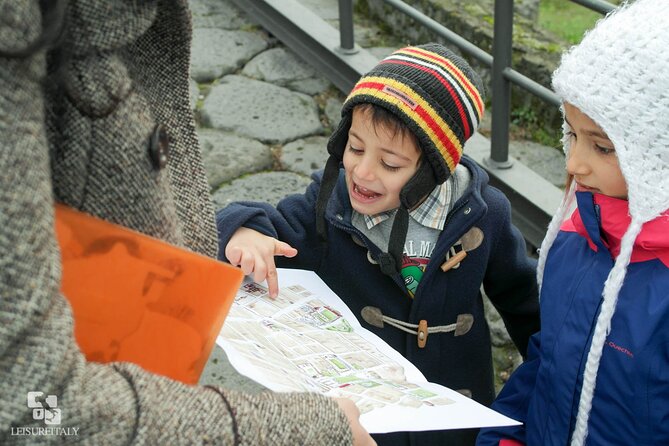
Pompeii is much larger than Herculaneum, so the route matters. The entrance at Piazza Porta Marina leads you through the ancient gateway and toward Via Marina. From there, the road points toward the Forum, the central public space of the city.
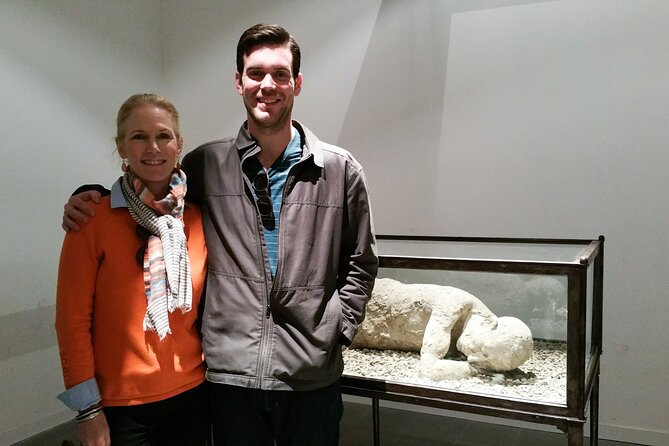
The Antiquarium near Porta Marina can provide useful context before or after the ruins. Its plaster casts show the final positions of victims and animals, including a guard dog. Digital displays and archaeological finds help turn the site from silent masonry into a place where people lived, worked, prayed, shopped, and argued.
The Temple of Apollo is a good early stop. It is one of Pompeii’s oldest sacred areas, with Greek and Roman influences visible in its layout. Bronze copies of Apollo and Diana stand among the columns, and an original sundial column remains on site. From the raised podium, you get a strong view toward Vesuvius, a reminder that the volcano is part of nearly every Pompeii experience.
The Forum is the city’s great civic stage. The Temple of Jupiter, Basilica, Macellum market, and official weighing table show how political, religious, and commercial life met in one broad paved space. Fabrizio can help you distinguish public buildings that may otherwise blur together, and explain how the plaza worked when it was filled with people.
Pompeii’s frescoes and reopened houses
The House of the Vettii is one of the key highlights. Once owned by two wealthy former slaves, it is known for vivid Fourth Style frescoes, a central garden, fountain statues, and the famous image of Priapus at the entrance. The restored rooms include the Room of the Cupids and mythological scenes in the dining areas.
This house rewards a slower look. The paintings are not just pretty wall decoration. They signal wealth, taste, social ambition, and the way Roman homeowners presented themselves to visitors. The garden helps you picture how the residence functioned, with rooms opening toward a central outdoor space.
The Insula of the Chaste Lovers offers a different kind of experience. Elevated walkways let you look down over a whole city block, including houses and a bakery, while archaeologists continue working below. The fresco of a kissing couple gives the building its name, and charcoal drawings of gladiators made by children bring an unexpectedly personal touch.
This is also a practical place to remember that Pompeii is still an active archaeological site. What you see can change as new areas are studied and opened. The walkways make the excavation easier to view, but they do not remove the need for steady footing and attention.
The Teatro Grande dates to the second century BC and once held about 5,000 people. Its horseshoe shape, tiered seating, and divisions between social groups show how entertainment also reflected Roman status. The theater’s acoustics remain impressive, and the setting links public performance with the hills and Vesuvius beyond.
Other Pompeii stops can be added or shortened according to your interests. The detailed route includes baths, private homes, taverns, shops, theaters, mosaics, and frescoes. If you have already seen similar rooms at Herculaneum, Fabrizio can use Pompeii to show you something different instead of repeating the same explanation.
The guide’s greatest value
The strongest part of this tour is Fabrizio’s ability to explain both the major monuments and the small details between them. He speaks English well, answers questions from children and adults, and uses the drive between sites to discuss the towns, countryside, roads, and local history.
He also watches your energy. In hot weather, Pompeii’s exposed paving can become tiring fast. Fabrizio can look for shade where possible, move quickly through the first section, slow down later, or cut less important stops if your group is fading.
This flexibility matters for families. A nine-year-old and an adult history specialist do not need the same explanation. The family-friendly option is designed to keep children engaged, and Fabrizio is used to asking them questions rather than speaking over them for hours.
The tour can also work well for older adults, but you should expect uneven ancient paving and a moderate level of physical activity. One family had to end early because a child became sick, and Fabrizio adjusted to the situation. That kind of flexibility is useful, but it does not change the basic fact that you will walk on rough surfaces in the heat.
Price, timing, and practical value
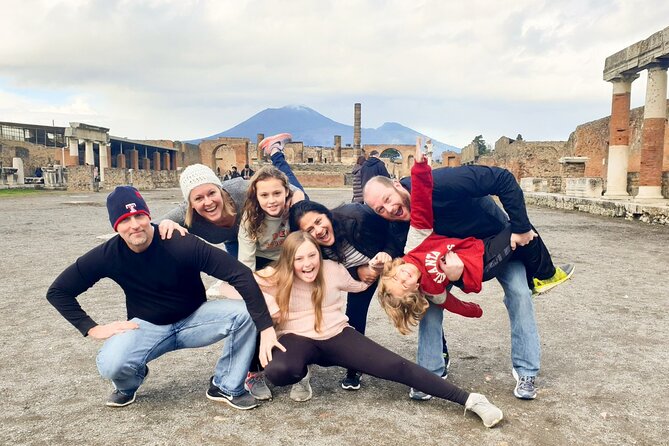
The listed price is $861.07 per group of up to seven. That sounds high until you compare it with what is included: private transportation, hotel-area pickup, an air-conditioned vehicle, water, Wi-Fi, and private guiding at two major sites. For six or seven people, the per-person cost becomes much easier to justify.
You still need to budget for about €40 per adult for admission to both archaeological parks. Children under 18 can enter free with valid identification. The winery lunch and wine tasting are also extra at about €50 per person, with the superior wine option costing about €60.
The full day is demanding. Two major archaeological sites plus lunch inside the national park leave little room for a relaxed start or an early finish. If you want to study every house in Pompeii, this is not enough time. If you want the best orientation and major highlights without worrying about driving, parking, tickets, or route planning, it is a strong format.
The experience is offered in English, and the mobile ticket and pickup arrangement keep the day simple. Book early if your dates are fixed, since this experience is often reserved well ahead, with an average booking lead time of about 104 days. Free cancellation is available up to 24 hours before the start time.
Who should book this day trip
I would recommend it most to families, multigenerational groups, and first-time visitors who want both ruins but do not want to manage the logistics themselves. It also suits anyone who values archaeology and wants detailed explanations instead of a quick walk past famous buildings.
The tour is especially good for groups of four to seven, since the private price spreads across more people. Wine lovers will appreciate the Cantina del Vesuvio stop, while those who do not drink can still enjoy the meal, vineyard setting, and break.
I would think twice if your main goal is climbing Vesuvius. This tour does not reach the summit. I would also reconsider if you prefer a slow, single-site day, since Pompeii and Herculaneum together require stamina and concentration.
Should you book it?
Book this tour if you want the practical ease of a private driver, the depth of an archaeologist, and a proper lunch between two demanding ruins. Fabrizio’s strongest qualities are his subject knowledge, clear English, calm manner, and willingness to adjust the day around your group.
The price is not small, and the admissions and winery cost come separately. But for a group that wants to see both Pompeii and Herculaneum in one well-managed day, the private format offers real value. Ask for Herculaneum first if avoiding crowds matters, choose the family-friendly option if you have children, and tell Fabrizio your priorities before pickup.
FAQ
Where does the tour pick up?
Pickup is available anywhere in the Naples or Sorrento area. If you are staying on the Amalfi Coast, you should contact the provider about arrangements.
How long does the tour last?
The experience lasts approximately eight to nine hours.
How many people can join the private tour?
The price covers a private group of up to seven people. Only your group participates.
Are Pompeii and Herculaneum admission tickets included?
No. Admission costs about €40 per adult for both sites. Children under 18 can enter free when they show valid identification.
Is lunch included in the tour price?
No. The winery lunch and wine experience cost about €50 per person, or about €60 per person with the superior wine upgrade. Payment is made at the winery by card or cash.
Does the tour go to the top of Mount Vesuvius?
No. The tour visits Cantina del Vesuvio inside Vesuvius National Park, but it does not reach the summit.
Is the tour suitable for children?
Yes. A family-friendly upgrade is available, and the route can be adjusted for children’s interests, energy, and comfort. A moderate level of physical fitness is still needed because the archaeological sites have uneven paving and require walking.
More Pompeii tours from Sorrento
- Sorrento: Skip-the-Line Pompeii Express Tour by Train
★ 4.8 · 2,038 reviews - Pompeii Express Guided Tour by Train from Sorrento
★ 4.5 · 770 reviews - Skip-the-Line Pompeii Guided Tour from Sorrento
★ 4.5 · 722 reviews - Pompeii Ruins Half-Day Tour from Sorrento with Guide
★ 4.0 · 714 reviews
More ways up Mount Vesuvius
- Priority Access Pompeii & Mt. Vesuvius Full day from Sorrento
★ 4.5 · 1,376 reviews - From Sorrento: Pompeii and Vesuvius Guided Tour with Lunch
★ 4.8 · 683 reviews - From Sorrento: Day Tour to Pompeii Ruins and Mount Vesuvius
★ 4.3 · 489 reviews - From Sorrento: Pompeii and Vesuvius Tour
★ 4.5 · 201 reviews
New on the Sorrento list
- Vico Equense: Authentic Cooking Class at a Local’s Home★ 5.0 · 4 reviews
- Vico Equense: Dining Experience at a Local’s Home★ 5.0 · 4 reviews
- Vico Equense: Tour in the dairy “Mozzarella Experience”★ 5.0 · 19 reviews
- Private tour of Amalfi Coast★ 5.0 · 71 reviews
- Private Virtual Cooking Class from Sorrento★ 5.0 · 25 reviews
- Sorrentomaxiboat tours to Capri★ 5.0 · 63 reviews
- Private transfer from Salerno to the Amalfi Coast, or vice versa★ 5.0 · 30 reviews
- Special Blue Grotto & Capri Island departure DA Sorrento★ 4.5 · 68 reviews
Wine Tours in Sorrento, compared.
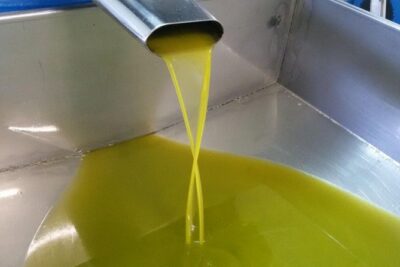
Sorrento Farm and Food Experience including Olive Oil, Limoncello, Wine tasting
Read our review →
Pizza Lesson, Wine, and Limoncello at a Local Farm
Read our review →
Amalfi Coast Day Tour from Sorrento with Light Lunch and Wine
Read our review →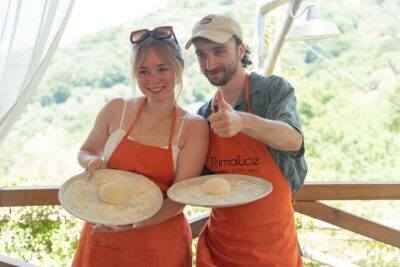
Pizza School with Wine and Limoncello Tasting in a Local Farm
Read our review →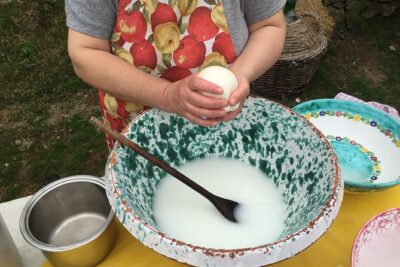
Authentic Farm Tour with Pizza, Cheese, Wine & Limoncello Tasting
Read our review →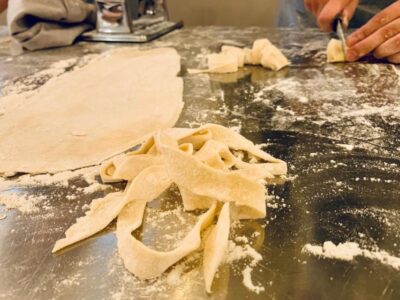

Toss, Bake, Cheers! – Sorrento Pizza Making Class with Wine
Read our review →
E-Bike Food and Wine Tour in the Sorrento Peninsula
Read our review →Browse the lists this tour appears in