
REVIEW · POMPEII TOURS
Pompeii & Amalfi Coast Private Tour: Archaeologist-led, Flexible
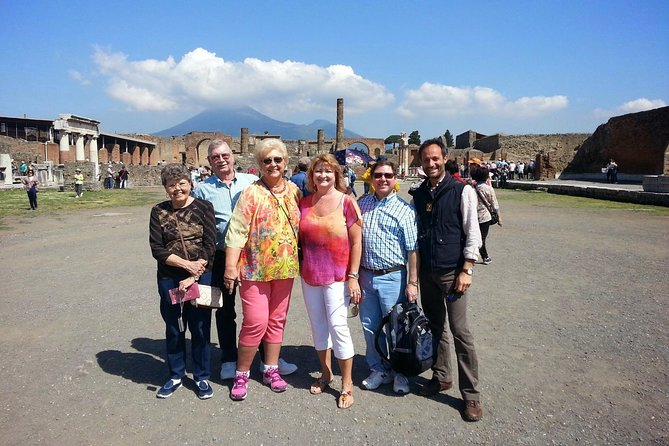
Pompeii is the star here, and for good reason. Buried under volcanic debris from Mount Vesuvius, the city still shows private homes, shops, baths, theaters, and streets where ordinary Romans lived. Guide Fabrizio Belleni brings those stones to life, then shifts the day toward the coast, where Positano, Amalfi, Ravello, or other stops can fit your interests.
I like two things right away: the private format lets you set the pace, and the included car service removes the headache of Campania’s traffic. I also like the human touches. Fabrizio has arranged family-friendly visits, helped with gluten-free meals, adjusted routes for cruise passengers, and used games to keep children involved at Pompeii.
The tradeoff is time. Pompeii alone can easily fill a day, while the Amalfi Coast deserves several days of its own. In 8 to 9 hours, you will see major highlights rather than explore every corner, and the price of $540.66 per person is a serious outlay unless your group values private guiding and door-to-door transport.
Key points at a glance
- Pompeii with Fabrizio: Expect an archaeology-focused walk through the Forum, baths, houses, shops, theaters, and streets.
- A genuinely flexible route: You can shape the coastal portion around Positano, Amalfi, Ravello, Sorrento, and scenic photo stops.
- Pickup from several bases: Naples, Sorrento, Positano, and Pompeii are available, with port, airport, and rail-station pickup in Naples.
- Useful for families and cruise schedules: The day can be paced for children, older relatives, or a limited shore visit.
- Lunch is arranged, not included: Fabrizio can suggest restaurants and accommodate requests, but you pay for the meal separately.
- Pompeii admission may cost extra: Tickets are included only when you select the ticket-included option at booking.
Why Pompeii deserves the first half of your day
Pompeii is not just a field of broken columns. It is a complete Roman town, preserved because the eruption covered it quickly with volcanic material. That makes the experience unusually personal. You can walk along streets, enter homes, inspect shop counters, and see the spaces where people ate, bathed, prayed, traded, and watched performances.
Fabrizio’s route begins around Porta Marina, an old entrance with a steep basalt-paved approach and twin arches. It gives you an immediate sense of scale. From here, the city opens toward the Temple of Apollo, Basilica, and Forum.
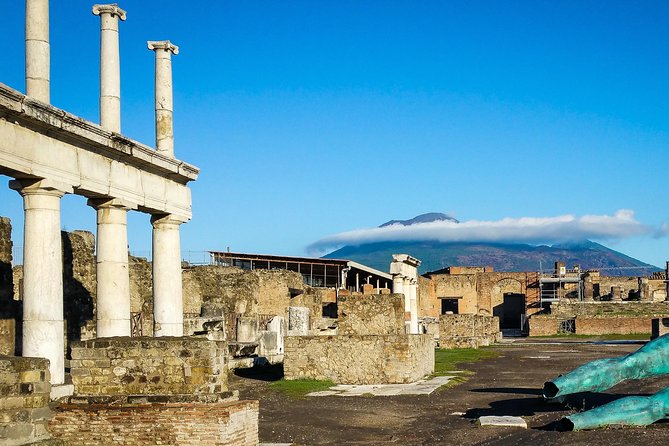
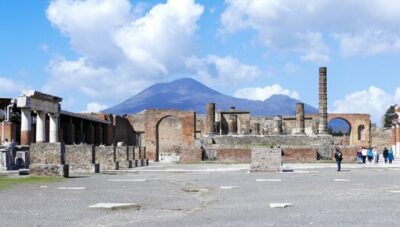
The Basilica was Pompeii’s courthouse and commercial center, not a church. Its broad interior and remains of 28 columns help you picture the Roman civic machine at work. In the Forum, you stand on original paving stones among the city’s most important public buildings, with Mount Vesuvius often framing the scene.
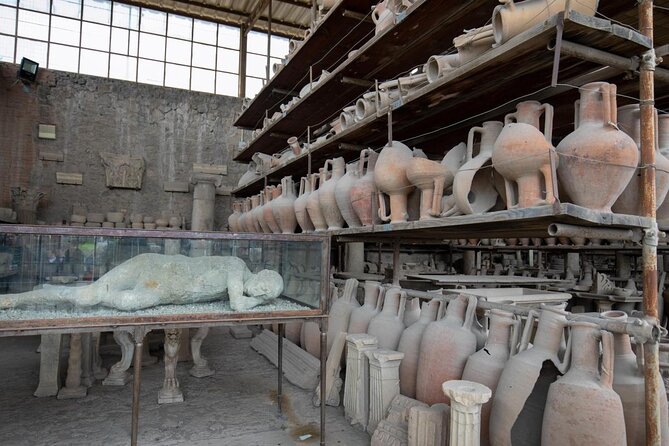
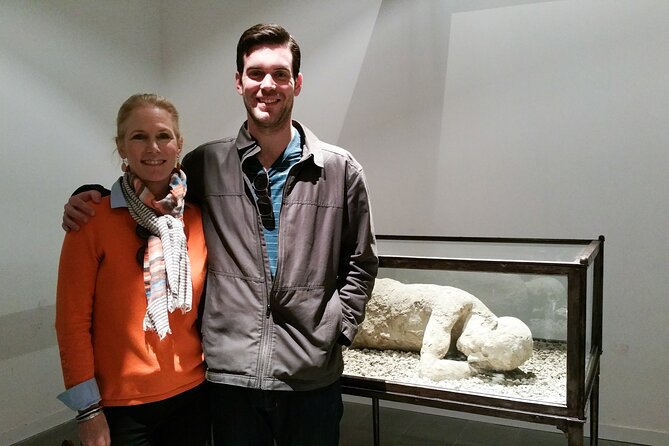
I especially like that the walk does not stop at grand monuments. The Macellum, Pompeii’s food market, connects the city to ordinary shopping and cooking. Its central pavilion, surrounding stalls, market paintings, and measuring table show how officials tried to keep trade fair. Plaster casts of eruption victims add a painful reminder that this was a lived-in town, not an abandoned set.
The Forum Baths offer another useful piece of context. You can follow the Roman bathing sequence through the changing room, cold room, warm room, and hot room. The hollow walls and heating system show how much engineering sat behind a routine social activity.
More Pompeii tours from Sorrento:
- Sorrento: Skip-the-Line Pompeii Express Tour by Train
★ 4.8 · 2,038 reviews - Priority Access Pompeii & Mt. Vesuvius Full day from Sorrento
★ 4.5 · 1,376 reviews - Pompeii Express Guided Tour by Train from Sorrento
★ 4.5 · 770 reviews
Homes, food counters, and daily Roman life
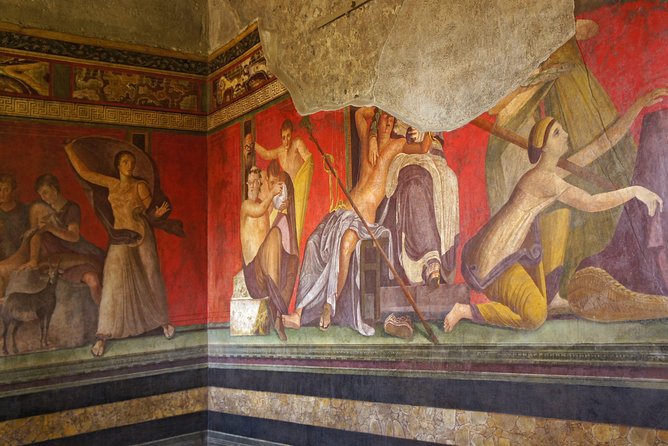
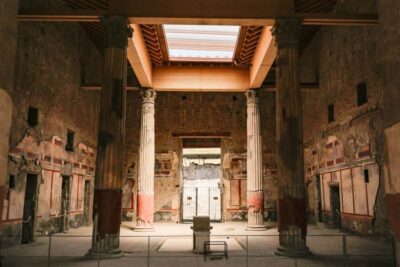
The House of the Vettii is one of Pompeii’s best private residences. It belonged to two formerly enslaved brothers who became wealthy merchants, and its restored frescoes reveal both ambition and luxury. Look for the entrance painting of Priapus, the Room of the Cupids, and the garden court with fountains and plantings.
This is where a guide earns his keep. Without context, a fresco can be pretty but puzzling. Fabrizio can explain what the images suggest about status, taste, business, and private life.
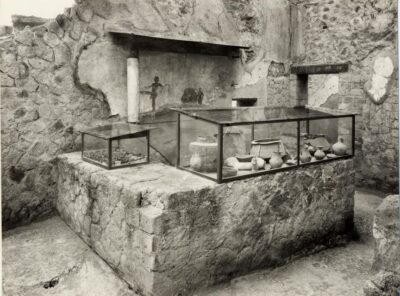
The Thermopolium of Regio V gives you a smaller but more amusing window into the past. This ancient food counter has an L-shaped masonry serving bar, painted animals, and large storage jars set into the counter. Excavated food remains included duck, pork, fish, and snails. It is an excellent stop for children because the idea of Roman takeout is easy to grasp.
The Insula of the Chaste Lovers adds a sense of archaeology in progress. Elevated walkways let you look down into an active excavation area. You may see a bakery, charcoal drawings of gladiators, the famous kissing fresco, and traces of people caught by the eruption.
Pompeii is physically demanding. The streets are uneven, the site is broad, and you will spend much of the visit on your feet. The supplied information recommends a moderate fitness level and specifically warns that the site is not suitable for people with walking issues. Wear firm shoes, bring water, and tell Fabrizio early if your group needs a slower pace.
Theater, museum, and the human cost of 79 AD
The Teatro Grande is a fine final stop inside the archaeological park. Built in the second century BC, it held about 5,000 people and preserves the social order in its seating. The horseshoe shape and reported acoustics make the space easier to understand when Fabrizio explains how the theater worked.
The Antiquarium provides a useful change of pace. It is air-conditioned and holds fragile objects that cannot remain outdoors, including silver, frescoes, amulets, and plaster casts. If the heat is strong, this museum can be more than an optional extra. It gives you a quieter place to connect the household objects and public buildings with the people who used them.
The Pompeii portion is described as a private walking tour with an official guide. Admission is not automatically included unless you choose the ticket-included option. If you do not choose it, the stated Pompeii fee is €19 per person, with free admission for children. Check the exact booking selection before paying, since this changes the final cost.
From Pompeii to the Sorrento Coast
The driving portion is not dead time. The SS 145, also called the Sorrentina, links the Bay of Naples with the Sorrento Peninsula through tunnels, bridges, cliffs, and lemon-growing country. You will see towns such as Vico Equense and Meta, with Mount Vesuvius across the water.
Sorrento itself is a sensible stop if your group wants a brief town visit rather than another major archaeological site. You can walk near Piazza Tasso, look out from Villa Comunale, browse narrow historic lanes, or head toward Marina Grande. Lemon products and inlaid wood are local signatures.
The itinerary allows about 30 minutes in Sorrento, so think of it as a taste, not a full visit. If Sorrento matters most to you, say so when planning the day. The private format means your time can be shifted away from another stop.
More days along the Amalfi Coast:
- Sorrento: Coast and Capri Boat Trip with Limoncello Tasting
★ 4.4 · 2,037 reviews - Full-Day Amalfi Coast Experience from Sorrento, Naples or Salerno
★ 5.0 · 1,275 reviews - Amalfi Coast Day Tour from Sorrento with Light Lunch and Wine
★ 4.5 · 1,148 reviews - Private Amalfi Coast Day Tour from Sorrento or Naples
★ 5.0 · 1,059 reviews
Riding the Amalfi Drive to Positano

The SS163 Amalfi Drive is the scenic centerpiece of the coastal section. It clings to the cliffs above the Mediterranean, with curves, tunnels, steep slopes, and towns attached to the mountainside. The ride can be thrilling, especially when the road opens to a wide view of the sea.
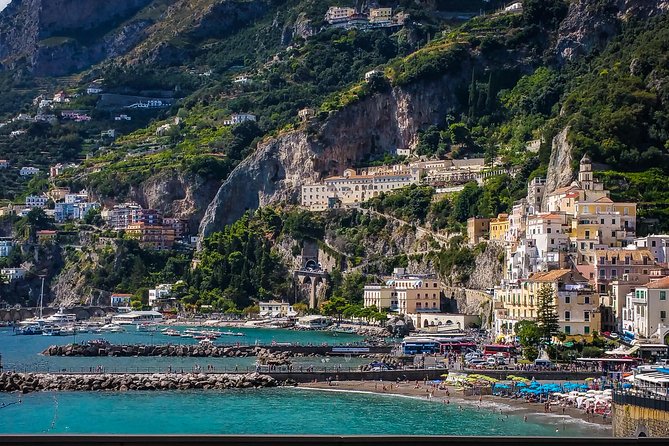
Positano is the most famous stop. Its pastel houses descend toward the water, and its lanes lead past shops, galleries, bougainvillea, and the Church of Santa Maria Assunta. The planned stop is about 30 minutes, enough for photographs and a short walk, but not enough for a slow beach visit, shopping, and a long lunch.
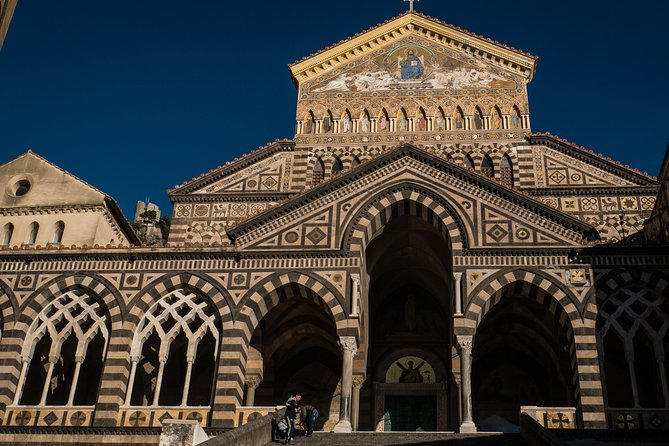
Amalfi receives another 30 minutes. The cathedral dominates the main square, and its Arab-Norman facade, bronze door, staircase, cloister, and crypt offer a compact lesson in the town’s past. You can also sample lemon desserts or wander a few of the narrow lanes, but you will need to watch the clock.
The stated itinerary includes a five-minute stop at the Cathedral of St. Andrew as a separate entry. Actual time inside will depend on the day’s schedule and your choices, so tell Fabrizio if entering the cathedral matters more than seeing another town.
Ravello and the view from Villa Cimbrone
Ravello sits high above the coast and feels calmer than Positano or Amalfi. Its main attraction is the view, especially from Villa Cimbrone’s Terrace of Infinity. The garden route includes statues, fountains, terraces, and a dramatic overlook above the sea.
The planned Ravello visit is about 30 minutes, with 10 minutes listed for Villa Cimbrone Gardens. That is enough for a quick look and photographs, but not a leisurely garden visit. Admission to the villa is not included, so confirm the current entrance arrangement when booking.
This is one of the clearest planning choices in the whole tour. If you want Ravello’s gardens, you may need to sacrifice time in Positano, Amalfi, or Sorrento. If you mainly want the drive and coastal views, keep the route broad. Fabrizio can help match the day to your priorities.
Smaller coastal towns if you want a different feel
The route can also include places such as Minori, Maiori, Erchie, and Vietri sul Mare, depending on time and your requests.
Minori is a quieter food stop with a Roman villa, traditional pasta making, and the Sal De Riso pastry shop. Maiori has the coast’s longest sandy beach and a broad promenade, making it less vertical and easier to walk than Positano. Erchie is a small fishing hamlet with a beach between old watchtowers.
Vietri sul Mare is especially useful if you want a practical souvenir. The town is known for hand-painted ceramics, and its Church of San Giovanni Battista has a majolica-tiled dome. The listed stop is only five minutes, so ask for more time if you hope to browse workshops.
These alternatives show why the private setup matters. A standard coach tour usually has to follow one fixed pattern. Here, your group can favor ceramics, food, gardens, beaches, churches, or viewpoints, provided the road conditions and schedule allow it.
Transport, group size, and the real value
Pickup and round-trip private transport are included from your chosen location. The guide can meet you in Naples, Sorrento, Positano, or Pompeii, including Naples port, airport, or railway station. Pickup in Amalfi or Ravello is possible for an added charge.
A private vehicle is a major advantage on this route. Public transport around Pompeii and the Amalfi Coast can work, but combining an archaeological park with several coastal towns in one day requires connections and patience. Here, you return to the same vehicle, carry less luggage, and avoid arranging each leg yourself.
The tour is offered in English and can accommodate a private group rather than mixing you with strangers. A group of 11 was handled with an additional driver, Pasqual, according to the supplied details. That matters if you are traveling with extended family or friends.
At $540.66 per person, the tour is not a budget choice. The value improves as your group grows, especially because private transport, pickup, bottled water, onboard WiFi, and Pompeii guiding are included. Lunch and, depending on your booking choice, Pompeii tickets are extra.
The strongest reason to pay is not simply comfort. It is the ability to use one day well. Fabrizio has helped cruise passengers work around a limited port schedule, adjusted the route for three generations, and suggested a cooler afternoon visit to Pompeii. Those choices can prevent a rushed or overheated day.
Who should book this Pompeii and Amalfi tour
I would choose this for a first visit when Pompeii and the coast are both on your must-see list. It also suits families, cruise passengers, couples who dislike group buses, and groups with one day to cover a lot of ground.
Children are likely to get more from Pompeii with a guide who can turn the ruins into stories and activities. Older relatives may appreciate the ability to slow down, shorten the walking route, or spend more time in the car between stops.
I would hesitate if you want a slow Pompeii study day, a long beach afternoon, or a full visit to every coastal town. The itinerary is ambitious. You will get breadth, but the schedule leaves limited time in each place.
Cancellation is free up to 24 hours before the start time. The experience is offered in English, allows service animals, and requires a moderate level of fitness.
Should you book it?
Book this tour if you value flexibility, personal guiding, and efficient transport more than a low price. Fabrizio’s strongest role is at Pompeii, where the private walk can connect public monuments with kitchens, shops, homes, food counters, and the people who lived there.
Before booking, decide which two coastal priorities matter most. For example, choose Positano and Amalfi for classic scenery, Ravello and Sorrento for viewpoints and town life, or Vietri and Minori for crafts and food. With that decision made, this can be an unusually productive day in Campania, even if it cannot give Pompeii and the Amalfi Coast the time they each deserve.
FAQ
How long does the private Pompeii and Amalfi Coast tour last?
The experience lasts approximately 8 to 9 hours.
Where can pickup take place?
Pickup can be arranged in Naples, Sorrento, Positano, or Pompeii. In Naples, pickup from the port, airport, or railway station is available. Pickup from Amalfi or Ravello costs extra.
Is the tour private?
Yes. Only your group participates in the activity.
Is Pompeii admission included?
Pompeii admission is included only if you select the ticket-included option when booking. Otherwise, the stated fee is €19 per person, with free admission for children.
Is lunch included?
No. Lunch is not included. The guide can suggest different restaurants based on your requests, but you pay for the meal separately.
Is transportation included?
Yes. Private round-trip transportation, pickup and drop-off, bottled water, and WiFi onboard are included.
Is this tour available in English?
Yes. The tour is offered in English.
Is the tour suitable for people with walking difficulties?
Pompeii requires walking over an uneven and extensive archaeological site. The supplied information recommends moderate physical fitness and does not recommend the visit for people with walking issues.
Can the itinerary be changed?
Yes. The Amalfi Coast portion is flexible, and the guide can adjust stops around your interests and available time. Possible areas include Sorrento, Positano, Amalfi, Ravello, Minori, Maiori, Erchie, and Vietri sul Mare.
New on the Sorrento list
- Vico Equense: Authentic Cooking Class at a Local’s Home★ 5.0 · 4 reviews
- Vico Equense: Dining Experience at a Local’s Home★ 5.0 · 4 reviews
- Vico Equense: Tour in the dairy “Mozzarella Experience”★ 5.0 · 19 reviews
- Private tour of Amalfi Coast★ 5.0 · 71 reviews
- Private Virtual Cooking Class from Sorrento★ 5.0 · 25 reviews
- Sorrentomaxiboat tours to Capri★ 5.0 · 63 reviews
- Private transfer from Salerno to the Amalfi Coast, or vice versa★ 5.0 · 30 reviews
- Yoga Experience – Sorrento★ 5.0 · 29 reviews
Pompeii Tours, compared.
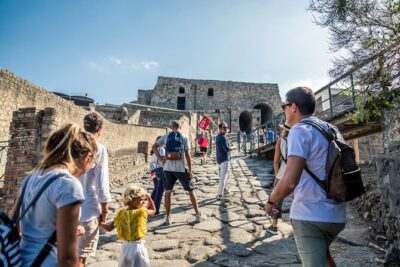
Priority Access Pompeii & Mt. Vesuvius Full day from Sorrento
Read our review →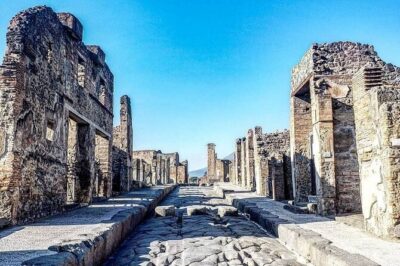
Pompeii Express Guided Tour by Train from Sorrento
Read our review →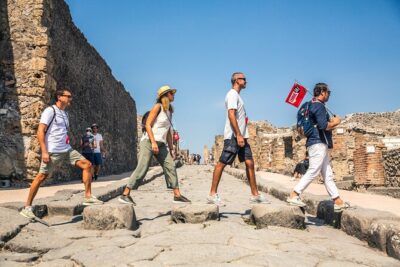
Skip-the-Line Pompeii Guided Tour from Sorrento
Read our review →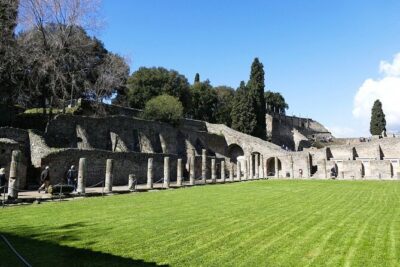
Pompeii Ruins Half-Day Tour from Sorrento with Guide
Read our review →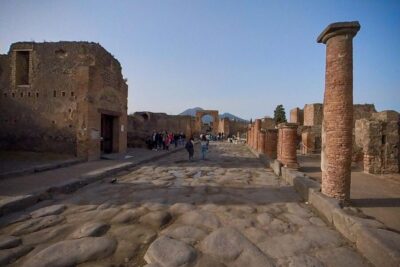
Browse the lists this tour appears in